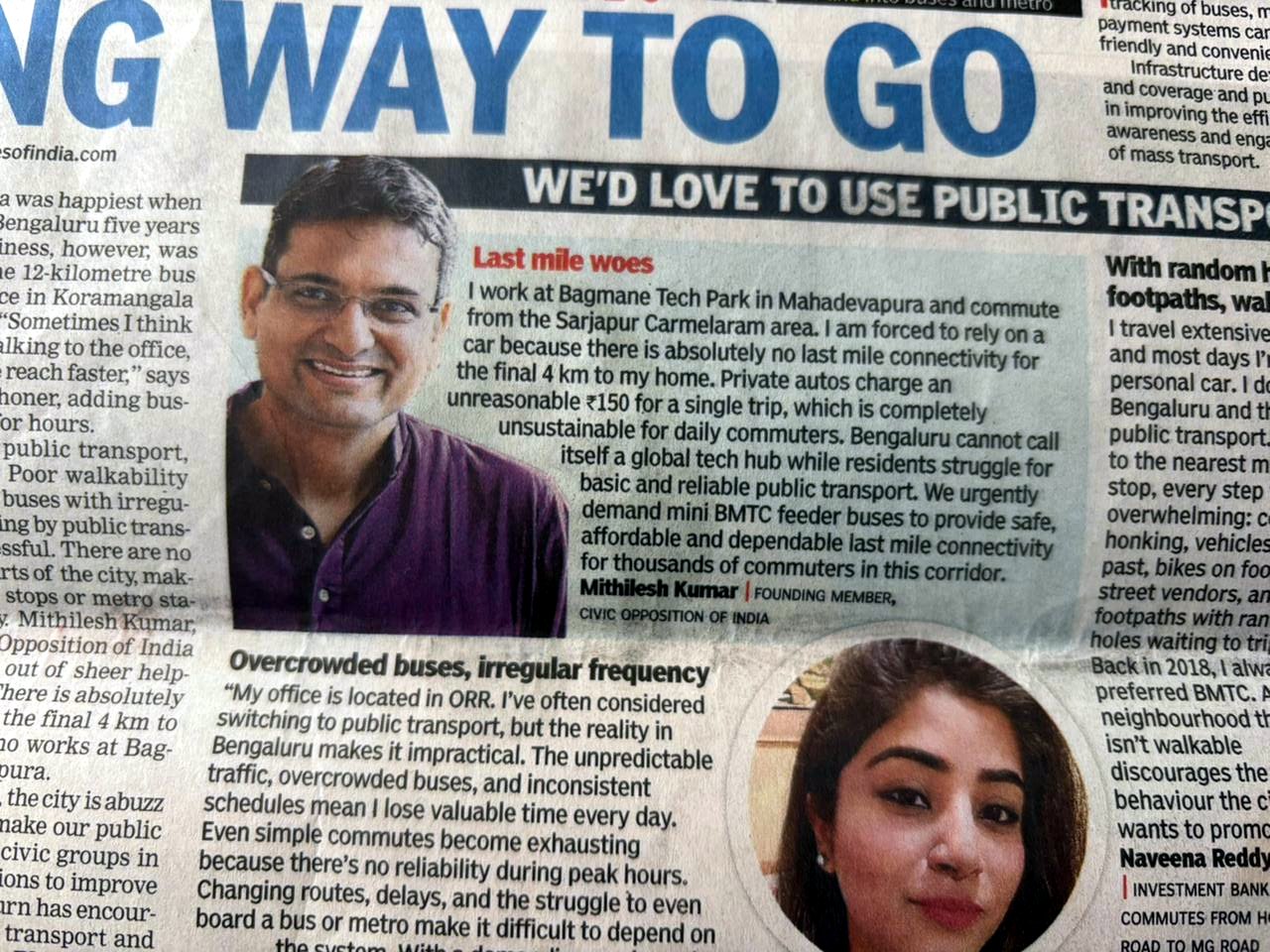
Call of last mile connectivity
Government is formulating a law to ban bike taxis under pressure from the auto mafia. Fair enough, nurture your vote bank if you want.But don’t destroy public transport in the process. Bengaluru’s biggest mobility crisis today is not bike taxis. It is the complete absence of reliable last mile connectivity. When people have no viable option to cover the final 3 to 5 km, they end up using personal cars, adding thousands of extra vehicles to already choked roads.
- 🚍 Launch frequent and reliable last mile feeder buses
- 🚍 Connect tech parks, residential areas and metro stations
- 🚍 Make it affordable, predictable and safe
Call for action:
➡️ Bring mini BMTC feeder buses immediately for Sarjapur, Carmelaram, Mahadevapura, Bellandur and other underserved corridors. A simple step like this can ease traffic, reduce dependency on cars and make public transport truly usable.National Policy Debate: The Mojo Story
We argued that the mandate is practically infeasible and risks diverting attention from the core issue—the urgent need for urban infrastructure reform to drive genuine economic growth.
Bengaluru’s Pothole Pandemic: Why Are We Still Stuck? 🚦
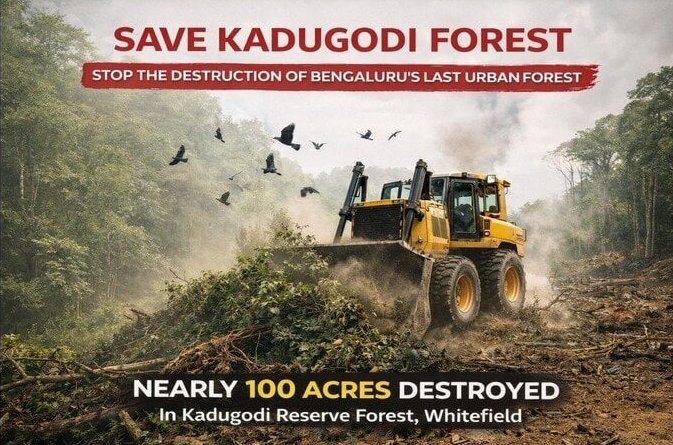
Save Kadugodi Forest: An Urgent Call to Defend Bengaluru’s Last Urban Green Lung


When Neighbors Join Hands: The Balagere Transformation
We all know how easy it is to complain about the state of our city. We take a picture of a pothole or a pile of garbage, upload it to social media, tag the authorities, and then we forget about it. We move on with our lives while the problem stays right there on the street.
But this week, something different happened in East Bengaluru.
If you have been following the updates from CivicOp India, you already know about the massive Sankranthi cleaning drive they kicked off recently. It was an inspiring initiative on its own, but the real magic happened when they found the perfect local partner.
This entire operation was organized in close association with the Namma Balagere group.
For those who live in the area, Namma Balagere is not just a name. It represents the residents who actually care about where they live. We are talking about regular folks who took time out of their holiday celebrations to get their hands dirty.
Real Action on the Ground
The photos shared by the BalagereConnect account tell the whole story. This was not one of those government staged events where a VIP sweeps a spot that is already clean. This was real work.
The Namma Balagere team mobilized the residents effectively. They identified the worst black spots in the neighborhood and coordinated directly with the volunteers from CivicOp India. It is rare to see such seamless teamwork between a city wide organization and a local community group.
They turned up in large numbers to clear the garbage and reclaim their footpaths. It sends a very strong message to the administration. When citizens start doing the job of the municipality, it becomes embarrassing for the officials to ignore the issue any longer.
Why This Matters
We have seen plenty of activism online, but that often stays on the screen. The collaboration between CivicOp and Namma Balagere proves that the real solution lies in getting out of our houses.
The energy was infectious. You could see young tech professionals working alongside retired uncles and college students. Everyone was united by a single goal which was to make Balagere cleaner and more livable.
A massive shout out goes to the Namma Balagere administrators and the CivicOp team for pulling this off. Organizing an event like this takes days of planning, phone calls, and coordination.
Let us hope this sparks a trend across the rest of Bengaluru. If Balagere can do it, so can Whitefield, Indiranagar, and Koramangala.
Great job to everyone involved!
Urgent Alert: Railway Land Encroachment Underway at Silk Board Sericulture Station, Kodathi, Bengaluru
Bengaluru's public land continues to face systematic takeover, and this time it's railway property adjacent to the Silk Board Sericulture Station Farm in Kodathi that's under threat.A recent on-ground video investigation reveals clear signs of deliberate encroachment by real estate interests, reportedly operating with local support. The footage documents a disturbing step-by-step pattern used to illegally occupy valuable government land:
- Large-scale dumping of municipal garbage and household waste to degrade the site and discourage oversight.
- Piling up of construction debris, broken bricks, concrete chunks, and soil mounds to artificially raise the ground level.
- Progressive soil filling and leveling operations that slowly convert open land into plots appearing ready for future construction.
These tactics are not random — they form a well-known playbook in Bengaluru: first degrade and occupy, then fortify structures, and eventually drag the matter into court where delays (with India's staggering 53+ million pending cases) often allow the status quo to prevail permanently.The affected area belongs to Indian Railways — public land meant for infrastructure, expansion, or public use — not private real estate development. Once buildings rise or compound walls appear, reclamation becomes exponentially harder and more expensive.
Civic Opposition of India has escalated this matter by directly bringing it to the attention of:- Hon'ble Railway Minister Ashwini Vaishnaw
- Divisional Railway Manager, Bengaluru
- Local MPs and Ministers including P. C. Mohan, D. K. Shivakumar, Siddaramaiah, Aravind Limbavali
The official RailwaySeva handle has already acknowledged the complaint and forwarded it to the concerned Divisional Railway Manager for necessary action.Time is critical. Swift physical demarcation, fencing, and eviction of dumped material are needed before boundary walls, temporary sheds, or "existing structures" claims solidify. Bengaluru cannot afford to lose any more public land to encroachment mafias.We call on the Railways Ministry, Karnataka Government, and local administration to act immediately and transparently. Public land belongs to the people — not to land grabbers.Save our railways land. Save Bengaluru's future.
#RailwayLandEncroachment #BengaluruLandGrab #Kodathi #SilkBoardSericulture #SavePublicLand #RealEstateMafia #AshwiniVaishnaw #IndianRailways #BengaluruCivicIssues #EncroachmentMustStop #NammaBengaluru #PublicLandProtection #MithileshKumar
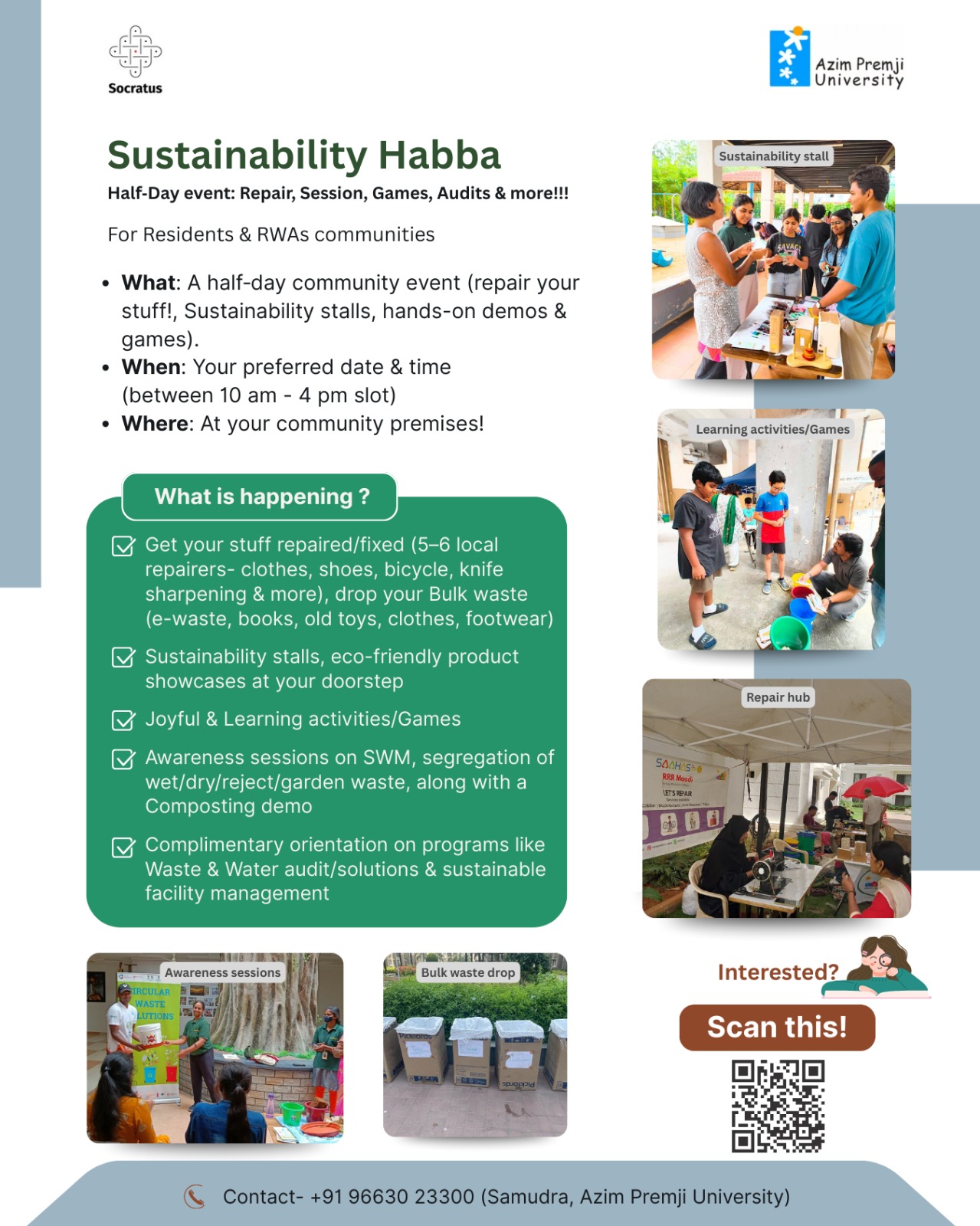
🌿 SUSTAINABILITY HABBA in East Bengaluru
A half-day community sustainability event We’re bringing practical, hands-on sustainability experiences to your community.
We’re bringing practical, hands-on sustainability experiences to your community.
🔧 Repair & Reuse
Clothes, shoes, bicycles, knife sharpening and more, with local repairers on site
📦 Bulk Waste Drop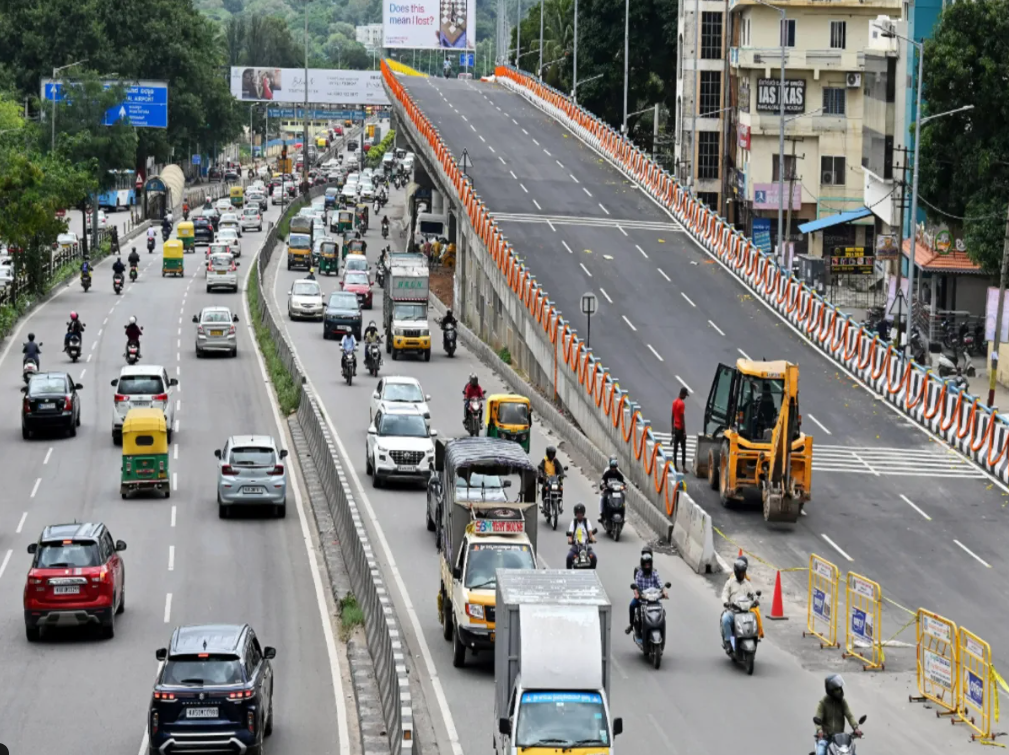
Bengaluru Cannot Be Dug Out of Congestion: A Citizen’s Appeal to Halt Tunnel Roads
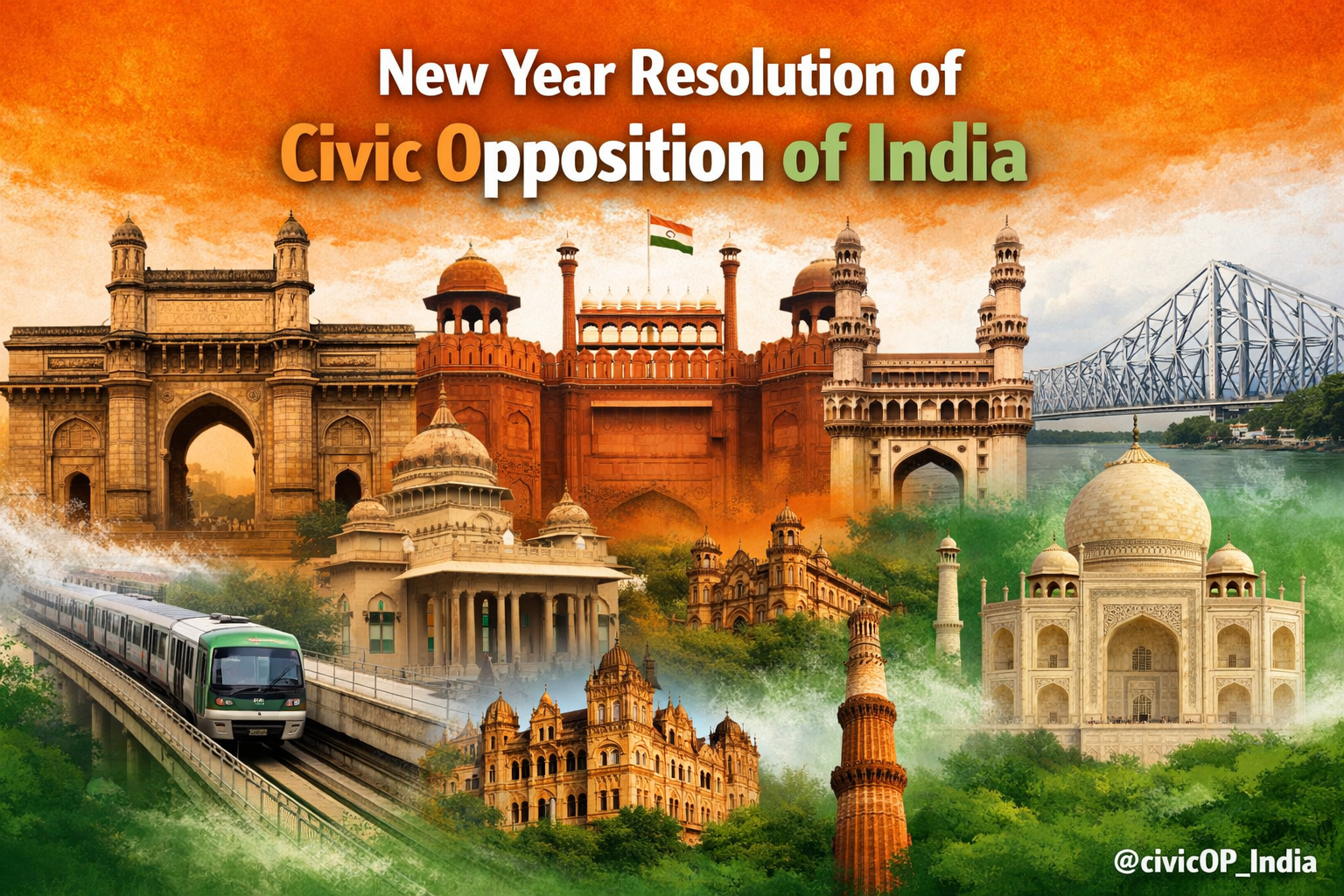
New Year Resolution 2026 | Civic Opposition of India
Champion Urban Livability: Fight relentlessly for sustainable Indian cities, focusing on Tier 1 and Tier 2 urban centers where infrastructure resilience is critical.
Close the Gap on Basic Services: Systematically highlight and resolve everyday operational failures—roads, footpaths, drainage, and last-mile connectivity—that impact the quality of life for common citizens.
Dismantle Systemic Corruption: Advocate for transparent, digital procurement systems to eliminate the "commission nexus" between contractors and officials in public works.
Protect Our Ecological Commons: defend lakes and green spaces from encroachment through data-backed vigilance and strict legal enforcement.
Demand Data Over Rhetoric: Challenge ruling establishments to move beyond political slogans and deliver measurable, transparent governance.
Enforce Administrative Accountability: Hold administrative leadership accountable for tangible outcomes, ensuring public assets are managed for public good, not personal gain.
Shift Focus from Elections to Execution: Push political representatives to prioritize daily governance and infrastructure delivery over perpetual election management.
Strengthen Local Democracy: Mobilize citizens to protect democratic institutions through constructive, informed engagement rather than apathy.
Cultivate Active Citizenship: Push citizens to move from passive complaining to active ownership of their neighborhoods and civic duties.
Drive Systemic Change: Foster democratic participation through voting, rigorous questioning of power, and sustained, data-driven civic pressure.
#HappyNewYear2026 #HappyNewYear #CivicOPIndia #GovTech #Accountability
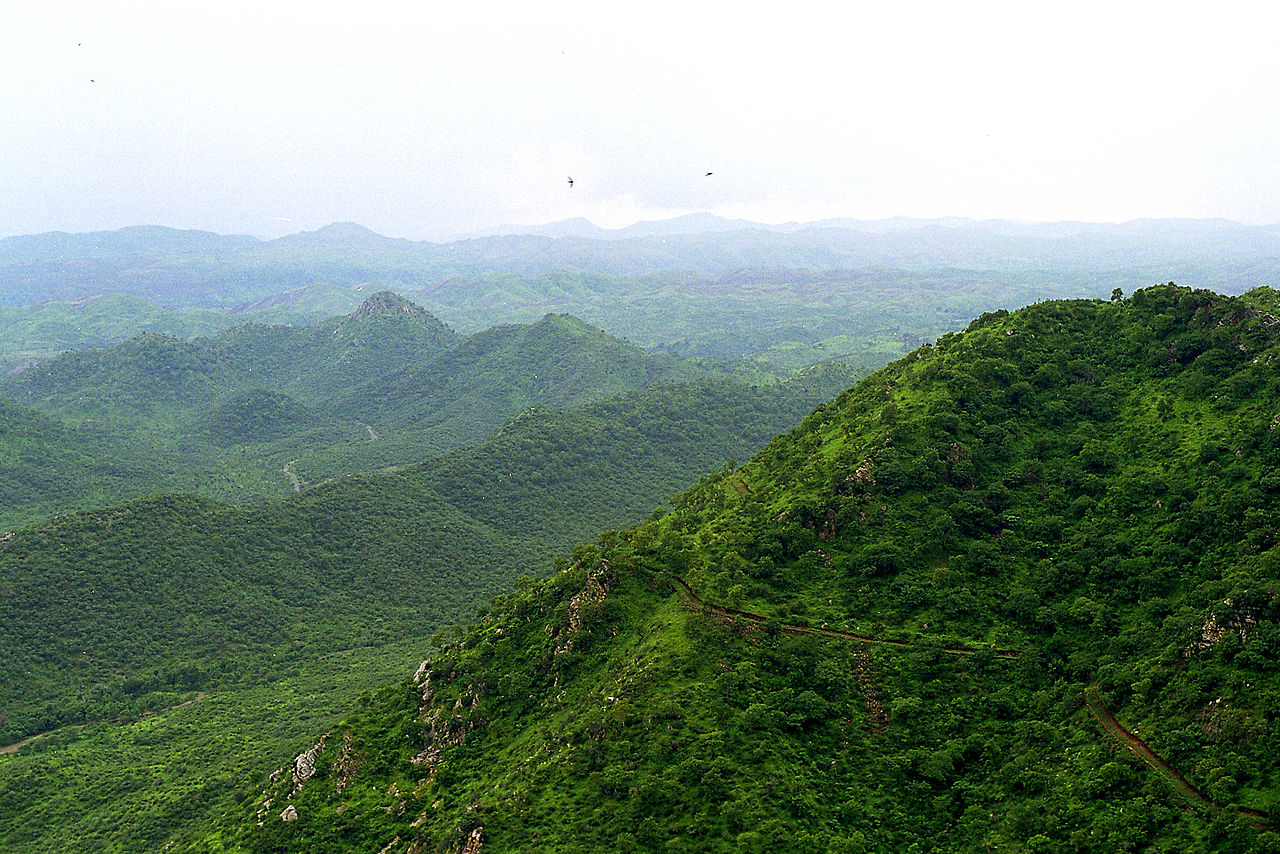
Save the Aravallis: A Citizen’s Appeal to Protect India’s Ancient Ecological Shield
- Water security is collapsing across the Aravalli belt Independent citizen reports and groundwater assessments show alarming levels of over-extraction in districts such as Gurugram and Faridabad, with withdrawal far exceeding annual recharge. Delhi and adjoining NCR areas continue to witness steady declines in groundwater levels year after year. These are not abstract statistics. They mark the difference between a living aquifer and a dead one. The Aravalli system remains among the last meaningful recharge zones for large parts of NCR, Haryana, and Rajasthan.
- Air quality and dust control depend on these hills and forests The Aravallis act as a natural barrier against dust storms, heat waves, and advancing desertification. Their degradation directly worsens air quality in Delhi NCR and intensifies extreme summer conditions. No technological intervention can substitute this ecological function once it is lost.
- Enforcement gaps are visible on the ground Across the region, citizens continue to report illegal mining, stone crushers operating beyond permitted limits, and dumping of waste in forest and revenue lands. Regulatory action often follows after irreversible damage has already occurred. Where enforcement is weak or delayed, destruction proceeds silently.
- A landscape-level Aravalli protection map and public dashboard covering Delhi, Haryana, Rajasthan, and Gujarat, with cadastral overlays showing forests, water bodies, wildlife corridors, and mining leases, updated regularly. Protection must be based on ecological continuity, not just elevation.
- Strict no-mining zones in high-recharge and high-biodiversity areas, with independent verification of compliance and transparent enforcement.
- A single empowered Aravalli enforcement task force with joint command authority to act against illegal mining, crushers, and dumping, supported by time-bound prosecutions.
- Non-negotiable groundwater regulation in Aravalli districts, including compulsory metering, extraction caps, and penalties for violations, especially in severely over-exploited blocks.
- Ecological restoration with measurable outcomes, focusing on native vegetation, soil moisture, recharge capacity, and prevention of further encroachment, rather than symbolic plantation drives.